- On foot: Ten minutes south to the river
- Getting there: Walk to the river; drive to Ijams
The riverfront path is flat and paved. The south-side trails are hilly, rocky and muddy after rain, and some lots fill on weekends.
Downtown Knoxville sits on a bluff above the Tennessee River, and for a long time the city turned its back on the water. That has changed. A riverside path now runs along the north bank below the downtown, and across the river the south side holds one of the largest networks of city trails in the region, known as the urban wilderness.
Volunteer Landing
The stretch of riverbank below downtown is called Volunteer Landing. A paved path runs along the water, with benches, small lawns and views of the bridges. It is flat and easy, and works for strollers, bicycles and an evening stroll after a day on the streets above.
From Market Square, walk south toward the river and take one of the stairways or ramps down from the bluff. The path passes under the Gay Street Bridge, a steel truss span from the end of the nineteenth century, and continues west toward the university. To see the bridge from above as well, follow Gay Street to its southern end and walk out onto it.
The river here is wide and slow, held back by a dam downstream. On a calm morning it reflects the bluffs and the hills to the south. Rowing crews, paddlers and the occasional barge use the water, and herons often stand along the edges where the bank is undisturbed. The path is lit in places but quiet after dark, so it is best walked in daylight or early evening.
The urban wilderness
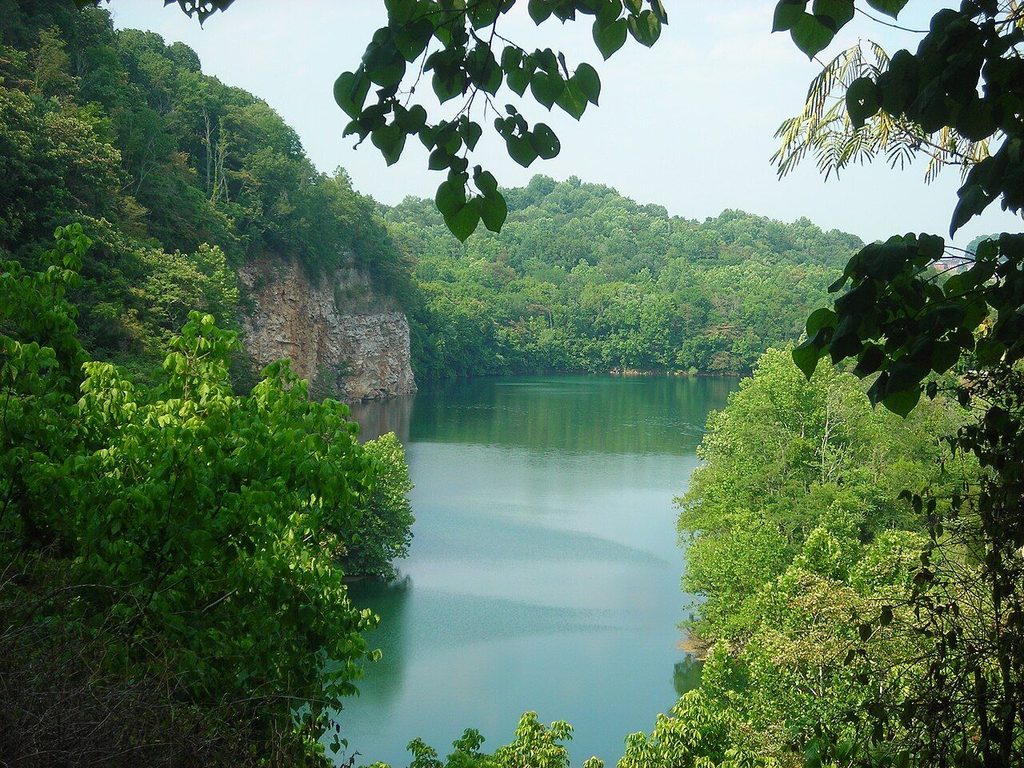
Across the river, the south Knoxville hills hold a long chain of parks, preserves, old quarries and forest linked by dozens of miles of trails. The network is often called the urban wilderness, and it is unusual for how close it is to a city centre. Within a short drive of downtown you can be on a dirt path under oaks and tulip poplars, with no buildings in sight.
The trails are used by walkers, runners and mountain bikers, and many are shared. Some are steep and rocky, especially around the old quarries. Trail maps are posted at the main trailheads; take a photo of one before you set out, because junctions can be confusing.
Walk on to The Old City, brick by the railroad
Ijams Nature Center
The best-known part of the urban wilderness is Ijams Nature Center, a few miles east of downtown on the south bank. It began as the home and garden of a local family with a strong interest in birds and plants, and it has grown into a large nature park with woods, meadows, river frontage and old marble quarries.
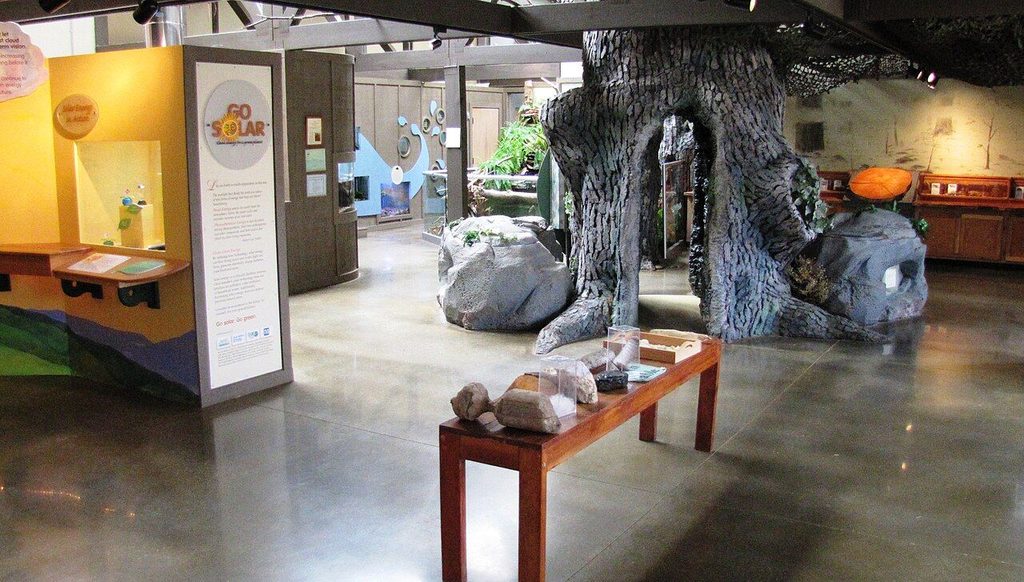
The visitor centre has exhibits on local wildlife and habitats and is a good place to start, get a map and ask about trail conditions.
From the centre, trails lead to Mead's Quarry, where an old marble quarry has filled with clear green water beneath grey rock walls. Elsewhere, a riverside boardwalk follows the base of a bluff above the Tennessee River, and woodland paths climb the ridges. Grounds and trails have generally been free to enter, but some activities carry a charge.
Other south-side places
Beyond Ijams, the network includes several smaller preserves and parks. Fort Dickerson, on a hill directly across the river from downtown, preserves Civil War earthworks and has a quarry lake of its own. Several other preserves connect to the trail network further east.
The riverfront path is a natural extension of a downtown walk; you can reach it on foot from Market Square in about ten minutes. For Ijams and the south-side trails, most visitors drive or cycle. Parking at the main trailheads fills on fine weekends.
The woods are at their kindest in spring and autumn. Summer is hot and humid, with ticks and mosquitoes in the woods, and after heavy rain the trails turn muddy. Carry water, wear proper shoes, and stay on marked paths near the quarry edges. If the urban wilderness leaves you wanting bigger hills, the Smokies are an easy day trip.
Bring: Water, trail shoes, insect repellent